



High-Security safes guide for safeguarding your valuables
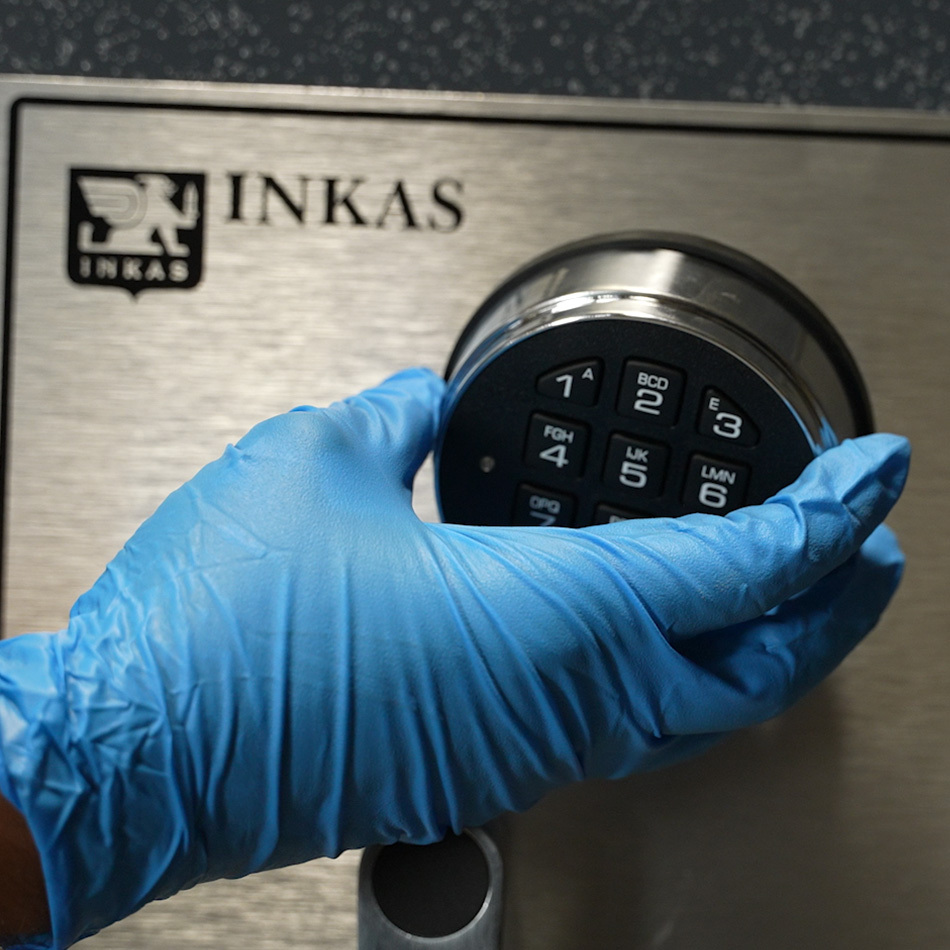
A high-security safe is a specially designed storage unit built to provide maximum protection against theft, fire, and other potential threats. Unlike standard safes, high-security safes are constructed using reinforced materials such as thick steel, and they incorporate advanced locking mechanisms, including biometric scanners, electronic keypads, and combination locks. These safes undergo rigorous testing to meet international security standards, ensuring they can withstand various forms of attack and safeguard your valuables under the most extreme conditions.
Importance of high-security safes for protecting valuables
High-security safes are essential for protecting valuable items such as jewelry, cash, important documents, firearms, and digital media. Whether for personal use at home or for businesses, these safes provide peace of mind by ensuring that your most precious belongings are secure from theft, fire, or natural disasters. Additionally, high-security safes often come with features like fireproofing and water resistance, providing an extra layer of protection. For businesses, these safes help mitigate liability risks and meet insurance requirements, safeguarding both assets and sensitive information.
Key features of high-security safes
Security ratings (UL, TL, etc.)
One of the most important indicators of a high-security safe’s quality is its security rating, such as UL (Underwriters Laboratories) and TL (Tool-Resistant). These ratings assess the safe’s ability to withstand break-in attempts using tools like drills, saws, and torches. For example, a TL-15 rated safe can resist attacks for 15 minutes, while a TL-30 safe can withstand more aggressive efforts for at least 30 minutes. These ratings offer valuable protection in both residential and commercial settings, ensuring the safe meets the highest security standards.
Fire and water resistance
High-security safes are designed not only to deter theft but also to protect their contents from natural disasters. Many are built to withstand extreme temperatures during fires, often rated to endure over 1,700°F for up to 120 minutes. Some models also offer water resistance, remaining sealed against water damage in case of flooding. These features are essential for safeguarding important documents and valuables during emergencies.
Advanced locking mechanisms (biometric, digital, combination)
Modern high-security safes feature advanced locking mechanisms, including biometric locks, digital keypads, and traditional combination locks. Biometric systems use fingerprint recognition for enhanced security, allowing only authorized users to access the safe. Digital keypads offer convenience and allow for easy reprogramming, while combination locks provide a durable, mechanical option. Many safes also come with dual-locking systems, combining electronic and mechanical locks for added protection.
Reinforced materials and construction
High-security safes are built using reinforced steel and composite materials, making them extremely resistant to tampering and physical attacks. With walls and doors that can exceed 1.5 inches in thickness, these safes are designed to resist drills, cutting tools, and prying attempts. Some safes even include internal re-locking mechanisms that activate when tampering is detected, providing an extra layer of security. This robust construction ensures that valuables inside remain safe under the most extreme conditions.
Types of high-security safes
Residential high-security safes
Residential high-security safes are designed to offer homeowners protection against theft, fire, and water damage. These safes come in various sizes and are ideal for securing valuables such as jewelry, important documents, firearms, and other personal items. Residential safes from INKAS are built with reinforced materials and advanced locking mechanisms to ensure that valuables remain protected from both intruders and environmental hazards.
Commercial high-security safes
For businesses, commercial high-security safes are a crucial investment. These safes are engineered to handle larger volumes of cash, sensitive documents, and other valuable assets. They often feature enhanced locking systems, including time-delay mechanisms and anti-tampering alarms, making them particularly useful for retail environments, offices, and financial institutions. INKAS offers a wide range of commercial safes that meet industry-specific security needs, from cash depositories to medical safes designed for pharmacy compliance.
Wall and floor high-security safes
Wall and floor safes provide additional security and concealment for both residential and commercial settings. Wall safes are installed within walls, often behind paintings or furniture, offering discreet protection for items like passports or cash. Floor safes, on the other hand, are embedded into the ground, making them extremely difficult to remove or tamper with. Both types of safes are designed with fireproofing and waterproofing capabilities, ensuring that valuables remain intact during emergencies. INKAS provides high-quality options for both types of safes, tailored to the user’s needs.
Custom-built high-security safes (offered by INKAS Safes)
Custom-built safes from INKAS allow clients to design a safe that meets their specific security requirements. Whether for home or business, custom safes can be tailored in terms of size, lock mechanisms, interior design (such as velvet-lined drawers or LED lighting), and fire or water resistance. These safes can blend seamlessly with the decor while offering top-tier security features like biometric access and reinforced steel doors. INKAS specializes in creating bespoke solutions for high-value items, from jewelry to firearms, ensuring maximum protection and user satisfaction.
This range of high-security safes offers the flexibility to protect a variety of assets, catering to both personal and business needs.
Choosing the right high-security safe for your needs
Assessing your security requirements
The first step in selecting a high-security safe is determining what items you need to protect. Are you safeguarding valuable jewelry, cash, firearms, or important documents? Understanding what you are protecting will help you choose the right level of security features. For example, if you are storing high-value items, look for safes with advanced burglary ratings like TL-15 or TL-30, which offer resistance against professional-grade tools for extended periods. Additionally, if fire or water damage is a concern, make sure the safe offers fireproof and waterproof certifications for optimal protection.
Location considerations (home, office, commercial space)
Choosing the right location for your safe is just as important as the safe itself. For home use, discrete locations like closets or basements are ideal for reducing visibility to potential burglars, while in offices or commercial settings, safes may need to be easily accessible yet still secure. Wall or floor-mounted safes provide extra security by making it difficult to move or tamper with them. It’s also important to ensure that the floor or wall structure can support the weight of larger safes, particularly in upper-level installations.
Budget and size constraints
When determining your budget, consider that investing in a high-quality safe is a long-term decision for securing your valuables. The cost can vary widely depending on features like size, locking mechanisms, and security ratings. It’s generally advisable to buy a safe that is slightly larger than your current needs to account for future acquisitions. Larger safes also tend to offer better security because they are harder to remove. While high-quality safes can be more expensive, the added layers of protection, such as re-locking devices and anti-tampering measures, make them a valuable investment for both home and business security.
Installation and maintenance of high-security safes
For maximum security and functionality, it’s essential to have your high-security safe professionally installed. INKAS Safes provides expert installation services that ensure the safe is securely anchored, whether in the wall, floor, or as a standalone unit. Professional installers assess the installation site for suitability, considering factors such as floor strength and accessibility. This process guarantees that the safe is optimally positioned and cannot be easily removed or tampered with. Additionally, professional installation can often be required for compliance with insurance policies, ensuring you meet coverage standards.
Tips for safe maintenance and longevity
Regular maintenance is crucial for ensuring the longevity and security of your safe. Here are key maintenance tips:
- Lock mechanism inspection: Whether your safe uses a key, combination, or electronic lock, regularly test the mechanism to ensure it operates smoothly. For electronic locks, replacing the batteries annually is recommended.
- Cleaning: Dust the exterior and interior of the safe to prevent debris from accumulating, which could affect the locking mechanisms. Use a soft cloth to avoid scratches.
- Lubrication: Annually lubricate the hinges and moving parts to maintain smooth operation and prevent rusting.
- Dehumidification: If your safe is located in a humid area, use silica gel packs or a dehumidifier to protect the contents from moisture.
- Inspect for damage: Periodically check for signs of rust, wear, or tampering. Promptly address any issues by contacting a professional technician.
By following these steps, you can maintain the integrity and security of your high-security safe, ensuring that it continues to protect your valuables for years to come.
Common misconceptions about high-security safes
There are several misconceptions about high-security safes that can lead to improper expectations or decision-making. One common myth is that all safes can be easily cracked, as often depicted in movies where characters quickly open safes with a stethoscope. In reality, modern high-security safes are designed with advanced mechanisms that make this nearly impossible. Safes now use complex locking systems, such as biometric and electronic locks, which require specialized tools and skills to crack, if even possible at all.
Another myth is that high-security safes are only for the wealthy. In fact, safes come in a wide range of price points, offering different levels of security features suitable for homes and businesses of various sizes. Many affordable models still provide robust protection, making them accessible to the average consumer.
People often believe that high-security safes are easily damaged during cracking attempts, but in most cases, professional locksmiths use non-invasive techniques to open safes when the lock malfunctions or the owner loses access. While drilling is a last resort, many modern safes are built to withstand such methods and can be repaired without needing replacement.
Understanding safe testing and certification
High-security safes are rigorously tested and certified to meet specific security standards. One of the most recognized certifications is from Underwriters Laboratories (UL). Safes with a TL-15 or TL-30 rating, for example, have passed tests that prove they can resist break-in attempts using a range of tools for 15 or 30 minutes, respectively. This level of certification ensures that the safe is highly resistant to physical attacks. Additionally, safes are often tested for their resistance to fire and water damage, with ratings indicating how long they can protect contents under extreme conditions.
Understanding these certifications helps consumers make informed choices, ensuring they select a safe that meets their specific security needs, whether it’s for burglary protection or fire resistance.
Final thoughts on high-security safes
High-security safes are an essential investment for anyone looking to safeguard valuable possessions, important documents, or sensitive items from theft, fire, and natural disasters. These safes provide more than just physical protection—they offer peace of mind. By incorporating advanced locking mechanisms, reinforced materials, and customizable features, high-security safes cater to both residential and commercial needs.
Choosing the right safe is about more than just protection; it’s about ensuring continuity and security in your personal and professional life. Whether you’re safeguarding family heirlooms, legal documents, or sensitive business assets, a high-security safe serves as a reliable guardian in an unpredictable world. By opting for a high-quality safe, you’re not only protecting what’s inside but also investing in the stability and peace of mind that comes with knowing your valuables are secure.
In today’s uncertain environment, where both physical threats and natural disasters can strike at any time, having a high-security safe has never been more crucial. The right safe can protect not just your belongings, but also your future.
Frequently Asked Questions
What is the difference between a regular safe and a high-security safe?
High-security safes are specifically designed to offer enhanced protection against burglary, fire, and other threats. They are constructed with thicker steel, advanced locking mechanisms, and often come with certification ratings such as UL (Underwriters Laboratories) to guarantee resistance to tampering, drilling, and prying.
How do I know if a high-security safe is fireproof or waterproof?
Safes that are fireproof or waterproof will have specific certifications indicating their level of protection. For instance, a UL fire rating shows how long the safe can withstand high temperatures, while water resistance is often noted with specific testing standards, ensuring protection during flooding or other water damage events.
What locking mechanism is best for a high-security safe?
The best locking mechanism depends on your needs. Biometric locks provide quick and secure access through fingerprint recognition, while digital keypads offer convenience and can be reprogrammed. For added security, some safes feature dual-locking systems combining mechanical and electronic locks.
Can a high-security safe be installed in any location?
Yes, high-security safes can be installed in various locations, such as floors, walls, or custom-built vaults. However, it’s essential to ensure the chosen spot is structurally sound and discreet, and in some cases, professional installation is recommended to maximize security.
Do high-security safes require maintenance?
Yes, like any security equipment, high-security safes require regular maintenance. This includes checking the lock mechanism, lubricating moving parts, and ensuring the safe’s interior remains moisture-free to avoid damage to stored items. Periodic professional servicing is also recommended to keep the safe in optimal condition.
What do the TL-15 and TL-30 ratings mean?
TL-15 and TL-30 ratings refer to the safe’s ability to withstand a determined attack with tools. A TL-15 safe is tested to resist entry for at least 15 minutes, while a TL-30 safe can resist attacks for up to 30 minutes. These ratings ensure the safe provides robust protection against burglary attempts using mechanical or electrical tools.
Can I customize my high-security safe?
Yes, many manufacturers, including INKAS Safes, offer customization options. You can select specific features such as size, interior layouts, lock types, and additional security enhancements to meet your unique security requirements
Is a high-security safe a good investment for businesses?
Absolutely. High-security safes are crucial for businesses to protect cash, sensitive documents, and valuable assets from theft or disasters. Additionally, they can help ensure compliance with insurance requirements and provide peace of mind by securing important business information and assets.