What is a money safe and why you need one
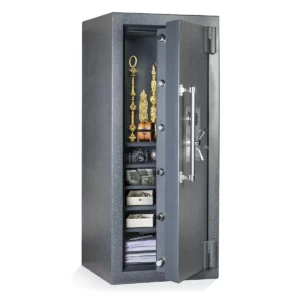
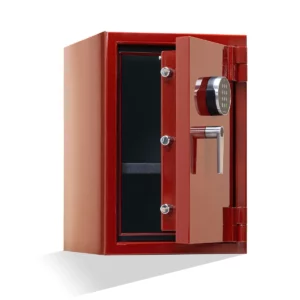
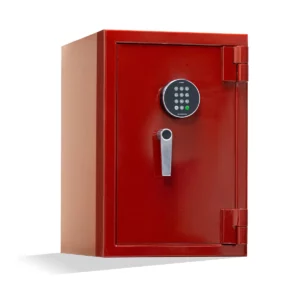
A money safe is a secure storage unit built to protect cash, documents, and small valuables from theft, fire, and damage. Many people keep cash at home for daily needs or emergencies, but storing it in drawers or closets makes it easy to find and take. A safe adds real protection and keeps everything in one place, which helps you stay organized and in control. For businesses, the need is even greater since cash moves in and out every day. Shops, offices, and service companies face higher risk, especially during busy hours or after closing. A reliable safe reduces that risk and helps protect daily earnings without extra stress.
Types of cash safes for home and business
Cash safes come in different sizes and designs, and each type fits a specific need. Choosing the right option depends on how much cash you store, how often you use it, and where you plan to place the safe. Some models focus on compact size and easy access, while others are built for higher security and long-term use.
Cash safe for home
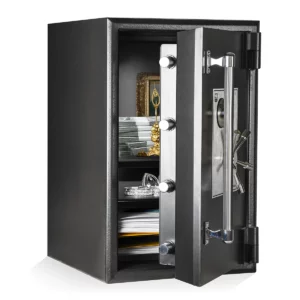
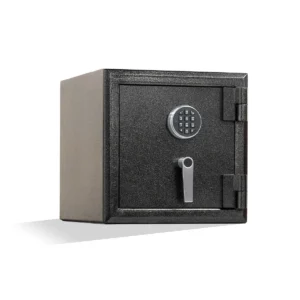
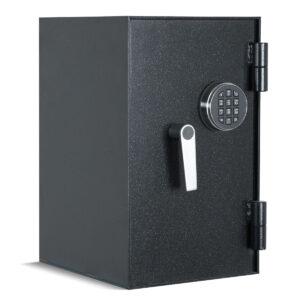
A cash safe for home is often compact and easy to hide, which makes it a practical choice for daily use. These safes are designed to store savings, small valuables, and personal items without taking up much space. Many people place them inside closets, cabinets, or under desks to keep them out of sight. Home safes also focus on ease of use, so they often include simple lock systems like keypads or keys. While they are smaller than commercial models, they still offer solid protection when placed and secured properly.
Money safe box
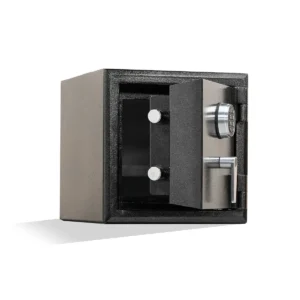
A money safe box is a smaller and more basic option that works well for light use. It is easy to move and store, which makes it useful for short-term needs or limited cash storage. This type is often used in homes, small offices, or for temporary setups. Most money safe boxes come with simple locks and lighter materials. They are not built for high-risk situations, but they still provide better protection than leaving cash unsecured. This option works best when convenience matters more than heavy-duty security.
Commercial cash safes
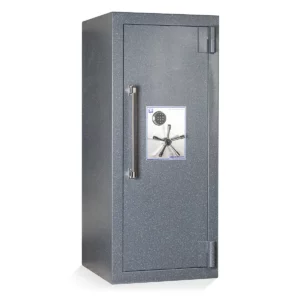
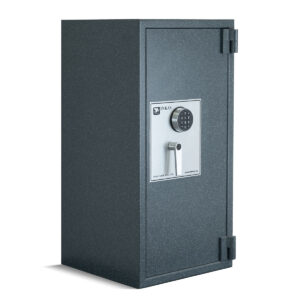
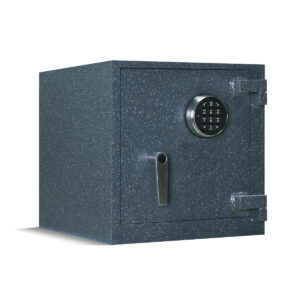
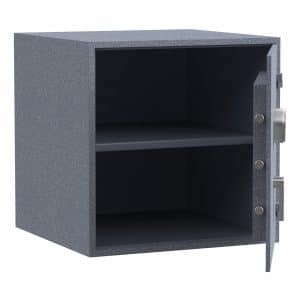
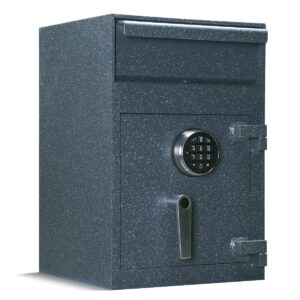
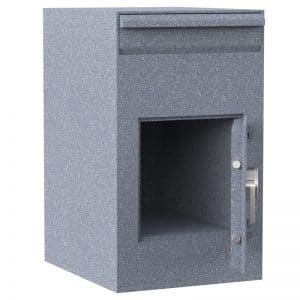
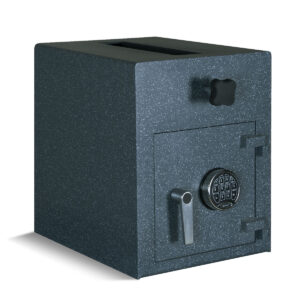
Businesses usually need larger cash safes that can handle daily use and higher cash volumes. These safes are built with thicker steel and stronger locking systems, which makes them more resistant to forced entry. They are often used in retail stores, offices, and service locations where cash is handled often. Many commercial models include features that support frequent access, such as advanced digital locks or deposit slots. These features help manage cash safely during working hours without opening the main compartment each time.
Wall and floor safes
Some safes are designed for wall or floor installation, which adds another level of security. These models are fixed in place, making them harder to remove or steal. Wall safes are hidden behind panels or furniture, while floor safes are installed below ground level. This type of safe works well for both homes and businesses that want a more discreet solution. Once installed, these safes stay out of sight and provide strong protection with minimal space use.
Fireproof money safes and added protection
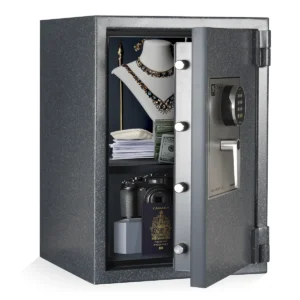
Fire is a serious risk that many people overlook when choosing a safe. A fireproof money safe is designed to protect cash and documents from high heat, which can destroy paper and damage valuables in minutes. These safes use special insulation inside the walls to keep the internal temperature lower during a fire. Fire ratings show how long a safe can protect its contents under heat. Common ratings include 30, 60, or 120 minutes, depending on the model. If you store important papers along with cash, choosing a fireproof safe is a smart step that adds extra protection without much effort.
How to choose the right money safe
Step 1: decide how much cash you need to store
Start by thinking about the amount of cash you plan to keep inside the safe. Small amounts work well with compact models, while larger sums need more space and stronger protection. Choosing the right size helps avoid limits later.
Step 2: choose the right lock type
Lock type affects both security and ease of use. Digital locks allow quick access with a code, while key locks are simple but require careful handling. Biometric locks use fingerprints and offer fast entry without keys.
Step 3: check the build quality
The strength of a safe depends on its materials. Thick steel walls provide better protection against forced entry. Heavier safes are harder to move, which adds another layer of security.
Step 4: think about daily use
Some safes are opened many times a day, while others are used less often. If you need frequent access, choose a model with a reliable and easy lock system that will not slow you down.
Step 5: match the safe to your space
A money safe for home should fit well in your available space and stay hidden from view. For business use, the safe should be easy to access while still secure enough to handle higher risk.
Step 6: plan for future needs
It is better to choose a safe that offers slightly more space than you need now. This gives you room to store more cash or valuables later without replacing the unit.
Where to place a cash safe at home
Placement plays a key role in how effective your safe will be. A safe that is easy to see or reach can attract attention, while a hidden safe adds an extra level of protection without much effort. Many people place safes inside closets, behind furniture, or in less obvious areas of the home, where they blend into the space and stay unnoticed. Good placement options include:
- Inside a closet, behind clothes or storage boxes
- Behind large furniture like cabinets or wardrobes
- In a home office where access is easy but not obvious
- In utility areas that are rarely used by guests
Installing a safe inside a wall or floor is another strong option since it keeps the unit out of sight and harder to remove. Wall safes can be hidden behind panels or decor, while floor safes stay below ground level and are often covered by rugs or furniture. These options work well when you want both security and discretion. Avoid placing a safe in common areas like bedrooms or near entrances, as these are often checked first during break-ins. Thieves usually look in obvious spots, so keeping the safe out of sight is important. Also avoid placing it in areas with high traffic or easy access. To improve security, take a few extra steps:
- Bolt the safe to the floor or wall to prevent removal
- Choose a location that is not visible from windows or doors
- Keep the safe away from shared or public areas of the home
- Limit who knows about the safe and its location
Key features to look for in a money safe
When choosing a money safe, focus on features that provide real protection and long-term use. The right combination of materials and design makes a big difference in how secure the safe will be. Important features to consider include:
- Strong steel construction that resists forced entry
- Secure lock system with code, key, or fingerprint access
- Fire protection to guard against heat and damage
- Proper size that fits both cash and other valuables
- Ability to bolt the safe in place for added security
Each of these features works together to protect your money. A safe with weak materials or a basic lock may not provide enough protection, especially in higher risk settings.
Common uses for cash safes
Cash safes are useful in many everyday situations, both at home and in business settings. They help keep money organized, protected, and easy to access when needed. People often use cash safes for:
- Storing daily cash at home or in small businesses
- Protecting emergency savings from loss or theft
- Keeping important documents in one secure place
- Managing retail cash safely during working hours
A safe is not only for large amounts of money. Even small amounts benefit from proper storage, especially when combined with good placement and secure features.
Why choose INKAS cash safes
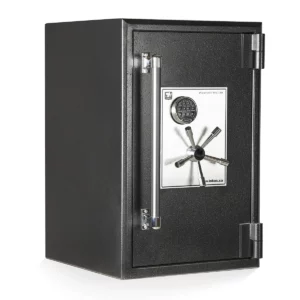
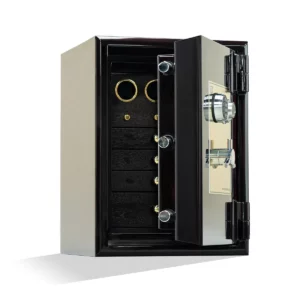
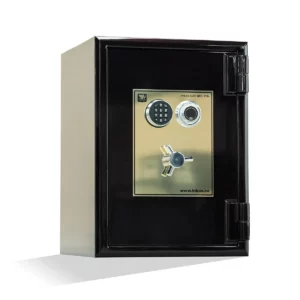
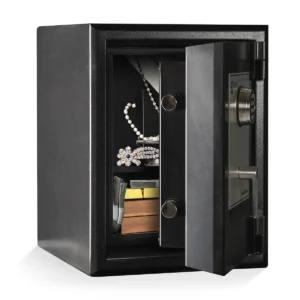
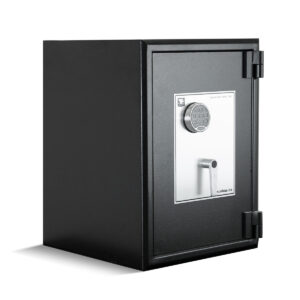
INKAS is a Canadian manufacturer known for producing high-security safes for homes and businesses. Their products are built with solid steel and reliable locking systems, which helps protect cash in real conditions. Many models also include fire protection, which adds another layer of safety for valuable items. The company offers a wide range of safes, from compact home units to larger commercial models. This makes it easier to find a solution that fits your needs without compromise. Each safe is designed for long-term use, with a focus on strength and durability.
Compare common cash safe options
| Type of safe |
Best use |
Size |
Security level |
| Money safe box |
Small cash storage |
Compact |
Basic |
| Home cash safe |
Personal savings |
Medium |
Moderate |
| Commercial safe |
Business cash handling |
Large |
High |
| Fireproof safe |
Cash and documents |
Varies |
High |
Find the right money safe today
A money safe is a simple but effective way to protect your cash and valuables. It keeps everything secure, organized, and easy to access when needed. Choosing the right safe depends on your space, usage, and level of risk, but even a basic model offers far better protection than no safe at all. Take time to review your options and focus on features that matter most to you. A well-chosen safe will serve you for years and provide steady peace of mind.